


4 min read
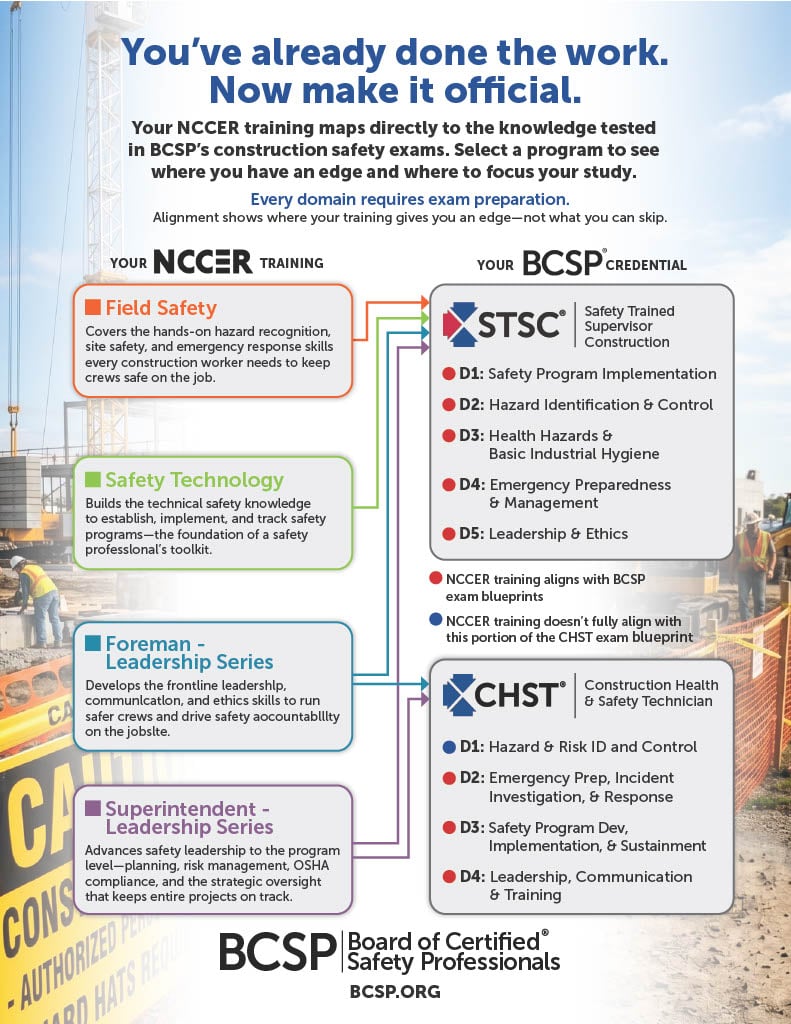
How NCCER Training Gets You Closer to BCSP Certification
Many construction professionals build safety knowledge through the National Center for Construction Education and Research (NCCER) training without...
2 min read
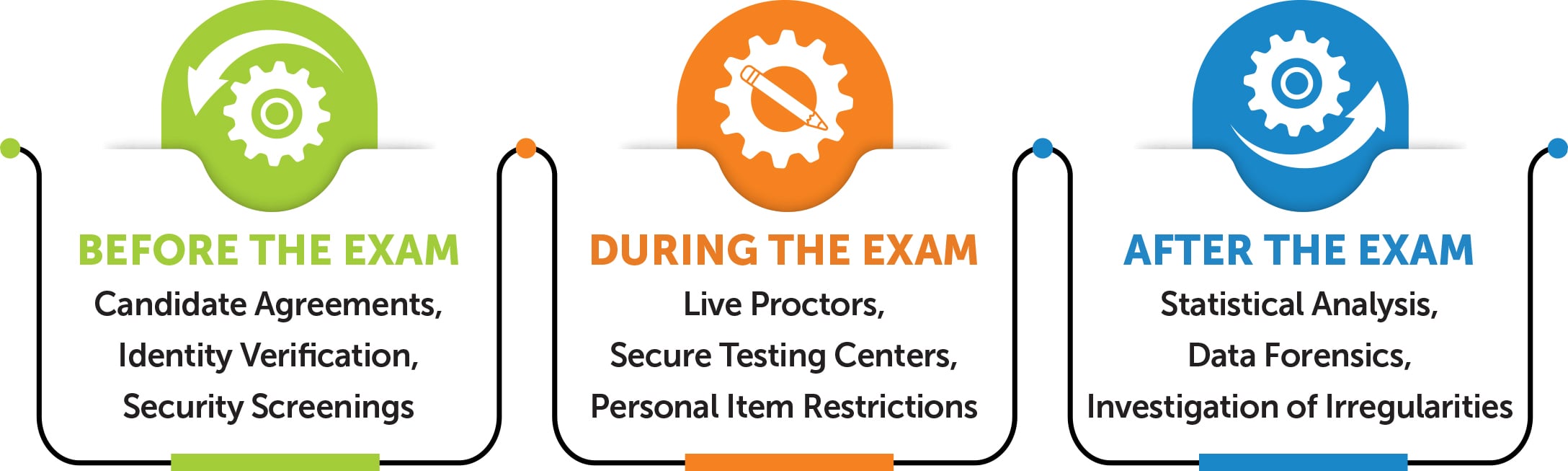
Your BCSP certification exam is coming up, and you’ve done all your studying—but now you’re not sure what to expect from the actual exam-taking process. This guide explains what to expect during the exam process and the security measures in place to protect the integrity of BCSP certifications.
Earning a BCSP certification is a significant professional milestone that reflects your knowledge, experience, and commitment to advancing safety practice. To preserve the value and credibility of BCSP certifications, we maintain strict examination security standards.
Before exam day, it’s helpful to understand BCSP’s exam security policies: what is expected, what is permitted, and what is not. This article is the first in a three-part series on exam security. Here, you’ll learn what to expect on exam day and how BCSP and our exam delivery partner, Pearson, protects exam integrity. Future articles will cover prohibited behaviors during testing and the consequences of sharing or receiving exam content.
Arrive early to ensure sufficient time for check-in and security procedures. Your testing experience will generally follow these steps:
BCSP exams are delivered at Pearson test centers located globally, unless an organization has opted into our Onsite Exam Delivery (OED) option. Every BCSP exam is monitored by live proctors.
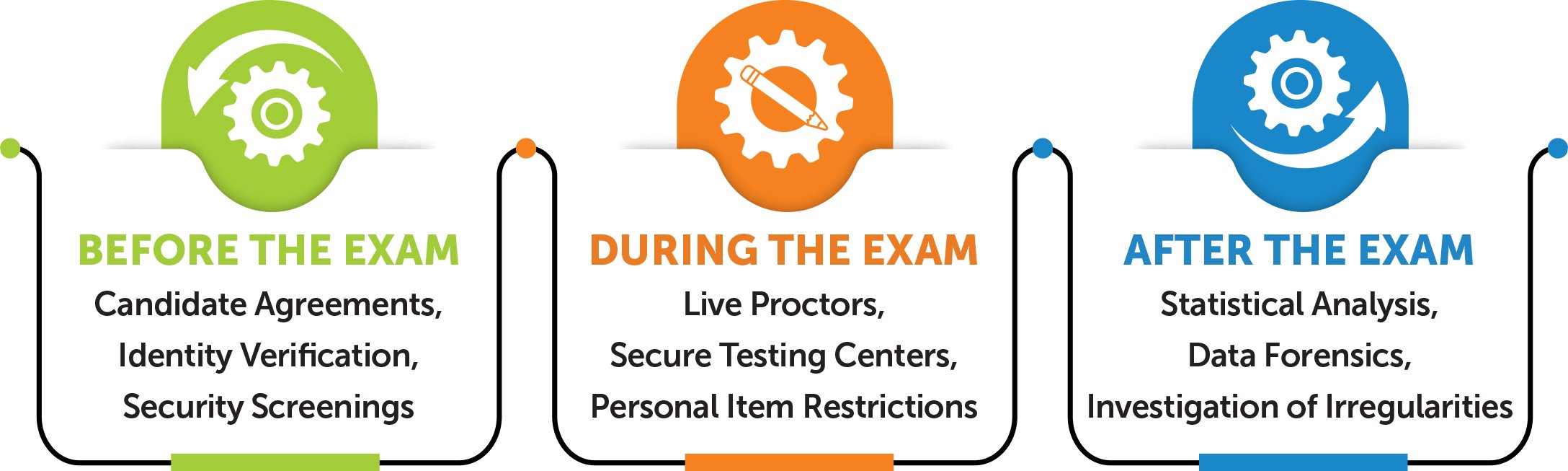
Before the exam:
During the exam:
After the exam:
These measures help ensure that every credential holder has earned their certification through demonstrated competence.
Every BCSP certification represents demonstrated knowledge, experience, and commitment to safety excellence. Exam security measures help ensure every credential holder earns their certification fairly, preserving the value of the certification and maintaining the trust placed in BCSP certificants.
Learn more about BCSP exam security in upcoming articles here on BCSP.org.
4 min read
Many construction professionals build safety knowledge through the National Center for Construction Education and Research (NCCER) training without...
2 min read
The Board of Certified Safety Professionals (BCSP) and the National Center for Construction Education and Research (NCCER) have utilized their...
2 min read
 BCSP : Sep 21, 2020, 12:00:00 AM
BCSP is pleased to announce that BCSP examCORE is now available for all eight BCSP certifications with today’s release of the Certified...